


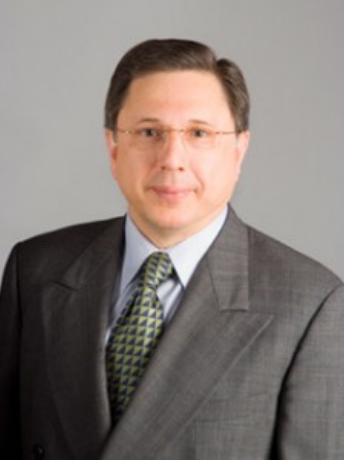
Meet Dr. Rifai
BOARD-CERTIFIED COSMETIC SURGEON
A talented, board-certified cosmetic surgeon with more than thirty years of experience, Dr. Rifai uses only the finest equipment in our clean, state-of-the-art facility. Dr. Rifai knows that taking time to listen and learn about your expectations is essential to giving you the results you want. He will answer your questions and explain the treatment options in detail. Dr. Rifai is devoted to improving the way you look, the way you perceive yourself, and the way others see you.
meet dr. RifaiOur Services
BREAST PROCEDURES
Breast procedures are some of the most commonly performed cosmetic surgeries each year. Whether you want to enhance your breasts, reduce them, or rejuvenate them, or you have specific needs for existing implants, Dr. Rifai can help you explore the many options available. With the help of a board-certified plastic surgeon, you can feel more confident in any situation.
VIEW ALLOur Services
BODY PROCEDURES
We specialize in a wide range of body procedures designed to help individuals achieve their desired physical transformations. Whether you’re seeking to contour and sculpt specific areas, eliminate stubborn fat deposits, tighten loose skin, or restore a more youthful appearance, our comprehensive suite of body procedures has you covered.
VIEW ALLOur Services
FACE PROCEDURES
Facial cosmetic surgery requires the utmost care and expertise from a board-certified plastic surgeon. We offer a variety of options to help you look younger, achieve a more balanced look, and feel like the most naturally refreshed version of yourself. Explore our facial cosmetic surgery options and schedule a consultation today to begin discussing the possibilities.
VIEW ALLOur Services
INJECTABLES PROCEDURES
Injectable treatments are becoming one of the most popular treatments performed around the country. Our team offers the latest and most industry-leading injectable brands designed to lift and rejuvenate your look. Enhance your features, reduce signs of aging, and balance your aesthetic. With our conservative, natural approach to injectables, you can find incredible results.
VIEW ALLOur Services
MEDSPA PROCEDURES
We offer the leading med spa treatments to support your surgical results or give your look a boost. Our aesthetics team can help you develop a personalized approach to your cosmetic concerns and help you get long-lasting, rejuvenating results. Put the finishing touches on your new look, try something new, or explore the best ways to maintain radiant, youthful skin for years to come.
VIEW ALLOur Services
Our Services
BREAST PROCEDURES
Breast procedures are some of the most commonly performed cosmetic surgeries each year. Whether you want to enhance your breasts, reduce them, or rejuvenate them, or you have specific needs for existing implants, Dr. Rifai can help you explore the many options available. With the help of a board-certified plastic surgeon, you can feel more confident in any situation.
VIEW ALLOur Services
BODY PROCEDURES
We specialize in a wide range of body procedures designed to help individuals achieve their desired physical transformations. Whether you’re seeking to contour and sculpt specific areas, eliminate stubborn fat deposits, tighten loose skin, or restore a more youthful appearance, our comprehensive suite of body procedures has you covered.
VIEW ALLOur Services
FACE PROCEDURES
Facial cosmetic surgery requires the utmost care and expertise from a board-certified plastic surgeon. We offer a variety of options to help you look younger, achieve a more balanced look, and feel like the most naturally refreshed version of yourself. Explore our facial cosmetic surgery options and schedule a consultation today to begin discussing the possibilities.
VIEW ALLOur Services
INJECTABLES PROCEDURES
Injectable treatments are becoming one of the most popular treatments performed around the country. Our team offers the latest and most industry-leading injectable brands designed to lift and rejuvenate your look. Enhance your features, reduce signs of aging, and balance your aesthetic. With our conservative, natural approach to injectables, you can find incredible results.
VIEW ALLOur Services
MEDSPA PROCEDURES
We offer the leading med spa treatments to support your surgical results or give your look a boost. Our aesthetics team can help you develop a personalized approach to your cosmetic concerns and help you get long-lasting, rejuvenating results. Put the finishing touches on your new look, try something new, or explore the best ways to maintain radiant, youthful skin for years to come.
VIEW ALLWhy Choose Us

EXPERIENCED STAFF
Our hand-chosen staff is dedicated solely to providing the utmost experience in Cosmetic Surgery from your first phone call to your final post-op appointment.
MEET OUR TEAM
BOARD-CERTIFIED
Rouchdi Rifai, MD is an experienced Board Certified Cosmetic Surgeon who offers the safest procedures available, coupled with an eye for artistry.
MEET DR. RIFAI
ON-SITE SURGICAL CENTER
Birmingham Cosmetic Surgery provides exceptional and natural surgical results in our safe on-site outpatient surgical center.
CONTACT US